Autumn is often seen as the end of the gardening year but it is actually a time when the garden starts to prepare for what comes next. While plants slow down, the soil and the wildlife around it are still busy. Birds, insects, and small mammals are all looking for food and shelter and with a few simple choices, your garden can give them both.
Leave the Leaves
This is the time of year when many people spend hours sweeping and bagging fallen leaves. It feels like the right thing to do, yet for the garden it can be a mistake. Leaves are a natural gift. When left on borders or beneath shrubs they slowly break down, feeding the soil and protecting roots from frost.
Worms will pull the leaves underground through winter, mixing them into the soil where they release nutrients and improve structure. The process happens quietly but it is one of the most valuable things you can do for the health of your garden.
Leaf litter is also home to life that often goes unseen. Many of our native butterflies and moths lay eggs within it or use it as shelter for their chrysalises. Clearing it away too soon can mean removing the next generation before it has even begun. Try leaving the leaves in some areas and let nature finish the work for you.
Keep It Tidy Without Stripping It Bare
A garden that supports wildlife can still look cared for. Paths and patios can stay clear and borders can be shaped, but avoid cutting everything down to the ground. Choose a few seed heads to leave standing. Teasel, sedum, and grasses hold their shape through winter and look beautiful in frost while feeding birds like goldfinches.
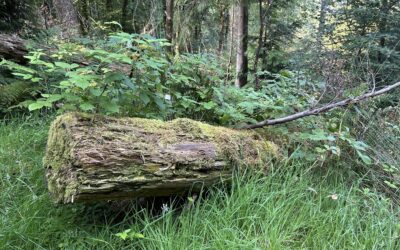
If you prefer a neater appearance, gather leaves beneath shrubs or pile them at the back of borders rather than removing them. You can also use natural features such as low log piles or small hedges to frame the wilder spaces. This creates a garden that feels balanced and alive, tidy yet welcoming to nature.
Feed the Soil
Healthy soil is the quiet engine that keeps everything in balance. Autumn is the best time to feed it. Spread a layer of compost or mulch over your beds and borders and let the weather and the worms do the rest. As it breaks down, it improves the soil, locks in moisture and shields roots from frost. Beneath the surface, countless small organisms get to work. They form the base of the food web that supports birds, fungi and mammals. When the soil thrives, the whole garden follows.
Plant for the Future
Autumn planting gives roots time to settle before the cold sets in. The ground stays warm, rain is steady and plants establish quietly before spring. Choose native species that offer food and shelter to wildlife. Hawthorn, field maple, yarrow and oxeye daisy are all excellent choices. Even a few new plants can add real value for pollinators and birds when other food sources fade away.
Care for Water
If you have a pond, autumn is the time to give it a gentle clean. Skim away surface leaves and check that pumps and filters are working well. Leave a few handfuls of debris near the edge so small creatures can crawl back in. Make sure there is a shallow slope or a ramp for access. Even the smallest pond will attract frogs, insects and birds. If you do not have one, adding a small water feature is one of the most effective ways to bring wildlife into your garden.
Look After the Birds
As the days shorten, natural food sources begin to run out. Birds rely on gardens for seeds, berries and water. Keep feeders clean and filled,and try planting shrubs like rowan or holly that provide both food and shelter. A small birdbath or dish of water can make a real difference when puddles freeze.
Work With the Season
Autumn gardening is not about doing more. It is about noticing what the garden is already doing and helping it along. A little less interference can mean a lot more life. When you give nature space to breathe, the reward comes in spring with stronger soil, healthier plants and more wildlife returning.
At Rewild Landscapes we design and care for gardens that give back to nature. From soil improvement to planting and habitat creation, our work helps people make a positive impact on the natural world.
If you would like to learn more about creating a garden that supports wildlife this autumn, explore our work or get in touch. We are always happy to share ideas.